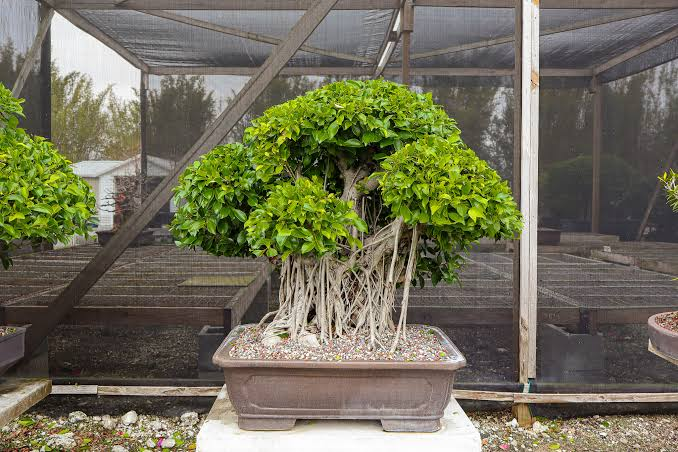

Chinese ficus is a popular ornamental tree known for its attractive appearance, dense green leaves, and easy adaptability. It is widely grown indoors, outdoors, in gardens, and as a bonsai tree. Its scientific name is Ficus microcarpa, although it is also commonly called Indian laurel, Chinese banyan, or ginseng ficus.
This beautiful plant is a favorite among gardeners because it can survive in different environments. With proper care, Chinese ficus can grow into a healthy and long-lasting tree. Whether you are a beginner or an experienced plant lover, understanding its basic needs can help you achieve the best results.
What Is Chinese Ficus?
Chinese ficus is an evergreen tree from the Ficus family. It is native to parts of Asia and is now grown in many warm regions around the world. The tree is especially valued for its glossy leaves, strong trunk, and ability to handle pruning.
One interesting feature of Chinese ficus is its flexibility. It can grow as a large landscape tree, a small indoor plant, or a carefully shaped bonsai. This makes it suitable for homes, offices, gardens, and public spaces.
The plant can also develop aerial roots in warm and humid conditions. These roots can create a unique and dramatic appearance as the tree matures.
Why Is Chinese Ficus So Popular?
There are several reasons why Chinese ficus has become popular among plant enthusiasts. First, it has an attractive and clean appearance. Its small, shiny leaves create a dense green canopy that looks beautiful throughout the year.
Another reason is its adaptability. Chinese ficus can tolerate pruning, shaping, and different growing conditions better than many other ornamental trees. This makes it a common choice for bonsai artists.
It is also relatively easy to maintain once it becomes established. With the right amount of light, water, and nutrients, the tree can remain healthy for many years.
Best Light Conditions for Chinese Ficus
Light is one of the most important factors for healthy growth. Chinese ficus generally prefers bright, indirect light when grown indoors. A location near a bright window can work well, especially if the plant receives several hours of good light each day.
Outdoor plants usually perform best in bright conditions and can tolerate sun depending on the local climate. However, sudden changes in light exposure may stress the plant. If you move a Chinese ficus from indoors to direct sunlight, introduce it gradually.
Low-light conditions can slow growth and may cause the tree to drop some leaves. Providing stable and suitable lighting is important for keeping the foliage full and green.
How Often Should You Water Chinese Ficus?
Chinese ficus needs regular watering, but it does not like constantly wet soil. The best approach is to check the soil before watering. When the upper layer begins to feel dry, it is usually time to water again.
Water the plant thoroughly and allow excess water to drain away. Never allow the roots to sit in standing water for long periods. Poor drainage can lead to root problems and unhealthy growth.
The watering schedule may change throughout the year. Plants often need more water during warm and active growing periods. During cooler months, growth may slow, and the soil can stay moist for longer.
Choosing the Right Soil
Well-draining soil is essential for Chinese ficus. Heavy soil that holds too much water can create problems around the roots. A quality potting mix with good drainage is usually a suitable choice for indoor plants.
For bonsai, growers often use specialized soil mixtures that provide both drainage and airflow around the roots. The exact soil combination can depend on the growing environment and the size of the tree.
If the plant is growing outdoors, the soil should still drain reasonably well. Improving extremely compact soil with suitable organic material can help create better growing conditions.
Temperature and Humidity Requirements
Chinese ficus generally prefers warm temperatures. It can struggle when exposed to cold conditions or sudden temperature changes. Indoor plants should be kept away from cold drafts, air conditioners, and heating vents.
Humidity can also affect the appearance of the leaves. Moderate humidity is often suitable, while very dry air may cause some stress. In dry indoor environments, maintaining stable conditions can support healthier foliage.
Consistency is important. Chinese ficus may react to sudden environmental changes by dropping leaves. This can happen after moving the plant, changing its light level, or exposing it to major temperature differences.
How to Prune Chinese Ficus
Pruning helps maintain the shape and size of Chinese ficus. Regular trimming can encourage dense growth and prevent the plant from becoming too large for its location.
Start by removing damaged, dead, or unhealthy branches. You can then carefully trim healthy branches to improve the overall shape. Avoid removing too much growth at one time, especially if the tree is already stressed.
Chinese ficus is particularly popular for bonsai because it responds well to shaping. With careful pruning and training, growers can create many different styles.
Always use clean and sharp pruning tools. This helps create cleaner cuts and reduces unnecessary damage to the plant.
Fertilizing for Healthy Growth
Chinese ficus benefits from nutrients during its active growing period. A balanced fertilizer can support healthy leaves, roots, and branches. However, too much fertilizer can damage the plant.
Follow the instructions provided with the fertilizer and avoid applying more than recommended. The frequency of feeding may depend on whether the tree is growing indoors, outdoors, or as a bonsai.
Plants growing slowly during cooler periods may require less fertilizer. Observing the plant and adjusting its care routine can help prevent nutrient-related problems.
Common Problems With Chinese Ficus
Like many plants, Chinese ficus can experience problems if its growing conditions are unsuitable. Leaf drop is one of the most common concerns. This may happen because of changes in light, temperature, watering, or location.
Yellow leaves can sometimes indicate watering issues or other environmental stress. Checking the soil moisture and drainage is often a useful first step.
Pests may also occasionally affect the plant. Regularly inspecting leaves and stems can help you identify problems early. Keeping the tree clean and providing suitable growing conditions can support overall plant health.
The best solution is usually to identify the cause rather than making several major changes at once.
Chinese Ficus as a Bonsai Tree
Chinese ficus is one of the most popular choices for bonsai. Its strong nature, attractive trunk, and ability to tolerate pruning make it suitable for beginners.
Bonsai growers can shape the branches and roots over time to create a miniature tree with an artistic appearance. Regular pruning helps maintain the desired size and structure.
A bonsai Chinese ficus still needs the same basic care as a larger tree. It requires suitable light, careful watering, good soil, and regular monitoring.
Because bonsai containers are small, the soil may dry faster than in a larger pot. Checking moisture regularly is important for preventing stress.
Repotting Chinese Ficus
Chinese ficus may eventually outgrow its container. When the roots become crowded, repotting can provide more space and fresh growing material.
Choose a container with proper drainage. Carefully remove the plant and inspect the roots before placing it into fresh, well-draining soil.
Repotting can temporarily stress the tree, so avoid making unnecessary changes immediately afterward. Give the plant time to adjust to its new container and environment.
For bonsai trees, repotting may also involve careful root pruning. This process should be done gradually and with attention to the health of the tree.
Benefits of Growing Chinese Ficus
Growing Chinese ficus offers both decorative and practical benefits. Its green foliage can make indoor and outdoor spaces feel more attractive and natural.
The plant is also highly versatile. You can grow it as a houseplant, garden tree, decorative specimen, or bonsai. This flexibility makes it suitable for many different types of plant lovers.
For beginners, Chinese ficus can also provide a good opportunity to learn about pruning, watering, soil care, and plant maintenance. With patience and consistent care, it can become a beautiful long-term addition to your collection.
Conclusion
Chinese ficus is a versatile and attractive tree that can be grown in many different environments. Its glossy leaves, strong growth, and ability to tolerate pruning make it a popular choice for homes, gardens, and bonsai collections.
The key to success is providing stable conditions. Give your Chinese ficus suitable light, well-draining soil, careful watering, and protection from sudden environmental changes. Regular pruning and appropriate feeding can also support healthy growth.
With proper care and patience, Chinese ficus can remain a beautiful part of your indoor or outdoor space for many years. Whether you want a simple houseplant or an artistic bonsai, this remarkable tree offers plenty of possibilities.
Frequently Asked Questions About Chinese Ficus
Is Chinese ficus easy to grow?
Yes, Chinese ficus is generally considered relatively easy to grow. It adapts well to different conditions but performs best with stable light, proper watering, and well-draining soil.
How much sunlight does Chinese ficus need?
Chinese ficus generally prefers bright light. Indoor plants often do well with bright, indirect sunlight, while outdoor plants can tolerate stronger light depending on the climate.
Why are the leaves falling from my Chinese ficus?
Leaf drop can happen because of changes in temperature, lighting, watering, or location. Try to maintain stable growing conditions and avoid sudden environmental changes.
Can Chinese ficus grow indoors?
Yes, Chinese ficus can be grown indoors when it receives enough light and proper care. It is commonly used as an indoor ornamental plant and bonsai tree.
How often should I water Chinese ficus?
Watering depends on the environment and soil. Check the upper layer of soil and water when it begins to dry. Avoid keeping the soil constantly wet.
Is Chinese ficus good for bonsai?
Yes, Chinese ficus is an excellent choice for bonsai. It responds well to pruning and shaping, making it suitable for both beginners and experienced bonsai enthusiasts.