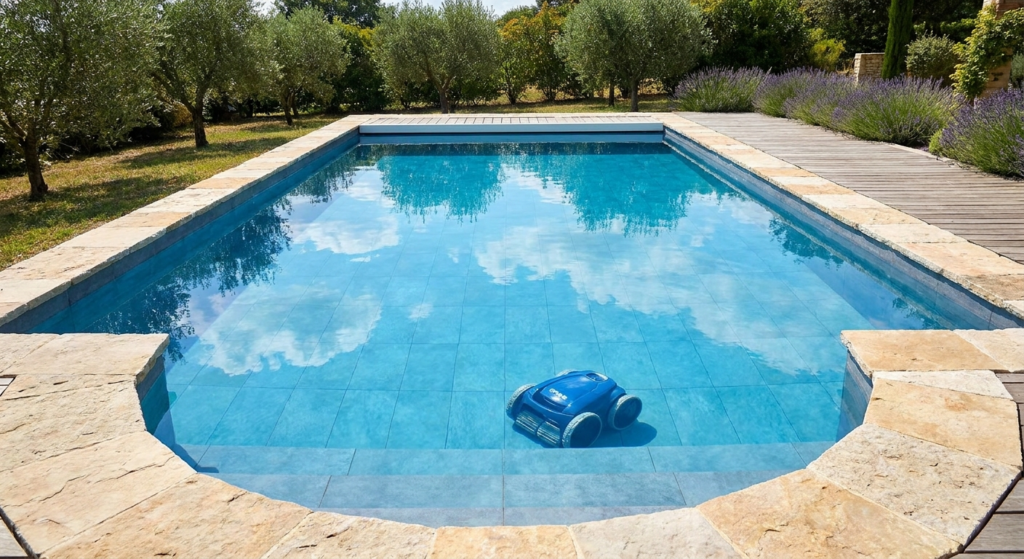

Owning a swimming pool transforms a backyard into a private retreat.
The joy of cool, clear water on a hot day is unmatched. However, that sparkling water requires regular attention.
Understanding the basics of your pool’s circulation, cleaning needs, and chemical balance is the key to stress-free ownership.
This guide lays out the fundamental practices every pool owner needs to know.
Whether you are breaking in a new pool or looking to refine your routine, focusing on these core areas will keep your water safe and inviting.
A little consistency goes a long way in preventing major problems.
Understanding Your Pool’s Core Components
To maintain a pool effectively, you must first understand how it works. The circulation system is the backbone of water clarity.
It consists of skimmers, a main drain, a pump, a filter, and return jets.
Water is pulled from the surface and floor, pushed through the filter, heated if necessary, and then returned to the pool.
Skimmers are the primary defense against floating debris.
They sit at the water line and use a basket to catch leaves and insects.
The pump’s strainer basket offers a second layer of protection before water reaches the filter.
Clean baskets are vital for strong hydraulic performance and energy efficiency.
Filters come in three common types: sand, cartridge, and diatomaceous earth (DE).
Each has different maintenance requirements, but all serve the same purpose.
A clean filter is essential for trapping microscopic particles that cause cloudy water.
Regular backwashing or cartridge rinsing keeps the system running smoothly.
The Three Pillars of Pool Maintenance
Professional pool care rests on three interconnected pillars: circulation, cleaning, and chemistry. Neglecting one area inevitably creates problems in the others. Good circulation ensures chemicals are evenly distributed, while proper cleaning reduces the demand on your filtration system.
Optimizing Water Circulation
Stagnant water is an invitation for algae and bacteria.
Your pump should run long enough to turn over the entire volume of your pool at least once per day.
In warmer months, running the pump for 8 to 12 hours is standard.
Variable-speed pumps are highly energy-efficient, allowing you to run them on a lower setting for longer periods to maintain constant filtration.
Proper return jet positioning helps eliminate dead spots where algae thrives.
Aim the jets downward at a 45-degree angle to create a circular flow pattern.
This pushes debris toward the skimmer and keeps the entire body of water moving.
Clean skimmer baskets weekly to maintain strong water flow and reduce strain on the pump motor.
Physical Cleaning Tasks
While the pump does most of the work, manual cleaning is essential for a spotless pool. Skimming the surface daily removes leaves and bugs before they sink and decompose. Brushing the walls, steps, and corners weekly dislodges algae spores and biofilm that cling to surfaces.
Vacuuming the pool floor removes heavy debris that settles out of the water.
Automatic cleaners can reduce manual labor, but they do not replace the need for brushing and skimming.
Always empty the skimmer and pump baskets after vacuuming to maintain peak performance.
A consistent cleaning schedule prevents buildup and keeps the water inviting.
Mastering Water Chemistry
Balanced water protects swimmers and extends the life of your equipment.
The most important measurements are pH, total alkalinity, and sanitizer levels. pH should stay between 7.2 and 7.6.
Alkalinity acts as a buffer for pH and should be maintained between 80 and 150 parts per million (ppm).
Chlorine is the most common sanitizer, effective at killing bacteria and oxidizing contaminants.
Proper stabilizer (cyanuric acid) levels protect chlorine from being broken down by sunlight.
It is best to add chemicals in the evening to allow them to work overnight without UV interference.
Shock treatment should be performed weekly to eliminate chloramines and organic waste.
Building a Sustainable Maintenance Schedule
Consistency is more effective than perfection. Breaking tasks into daily, weekly, and monthly intervals makes the workload manageable. A structured schedule prevents small issues like drifting pH from turning into major problems like algae blooms or scale buildup.
Daily tasks should take no more than 10 minutes.
Skim the surface for debris, check the water level in the skimmer, and ensure the pump is running.
Weekly tasks require more time and include testing water chemistry, brushing all surfaces, and vacuuming the entire floor.
Monthly maintenance involves cleaning or backwashing the filter and inspecting equipment for wear.
For those who want to refine their routine further, the complete pool owner’s guide offers a detailed look into advanced maintenance techniques. It covers everything from diagnosing pump issues to optimizing chemical efficiency, helping you keep your pool in pristine condition with less effort.
Seasonal Adjustments and Troubleshooting
Pool care changes with the seasons.
In the summer, higher temperatures and increased swimmer load demand more frequent chemical testing and longer pump run times.
Algae growth accelerates in warm water, making consistent sanitation critical.
During fall, leaves and organic debris increase the load on your filtration system.
Winterizing a pool requires lowering the water level, adding winter chemicals, and securing a cover to protect against freezing. Proper preparation prevents cracked pipes and stained surfaces.
In the spring, removing the cover, cleaning the deck, and shocking the water begins the new cycle of maintenance.
Common problems like cloudy water or algae usually stem from a breakdown in one of the three pillars.
Low circulation, poor sanitation, or a dirty filter are the usual culprits.
Testing the water and inspecting the system will quickly point you toward the solution. Addressing issues early saves time and money.
Conclusion
Pool ownership is a rewarding experience that provides a lifetime of memories. By mastering the basics of circulation, cleaning, and chemistry, you can enjoy a beautiful pool without the stress. The key is consistency—small, regular efforts prevent large, time-consuming problems.
Take the time to learn your specific pool equipment and water chemistry needs.
Every pool is slightly different, and understanding those nuances will make you a more effective owner.
With the right approach, you can keep your backyard oasis sparkling, safe, and ready for enjoyment all year round.