
Polyurethane floor coating is a popular flooring solution used in commercial, industrial, residential, and institutional spaces. Known for its durability, flexibility, chemical resistance, and attractive finish, polyurethane coating can help protect concrete floors from heavy traffic, moisture, stains, abrasion, and everyday wear. It creates a smooth protective layer over the existing floor while improving its appearance and extending its service life.
Whether you are renovating a warehouse, garage, factory, retail store, workshop, or commercial building, choosing the right floor coating can make a significant difference. Polyurethane is especially useful in environments where floors need to withstand frequent movement, impact, cleaning, and exposure to different substances.
What Is Polyurethane Floor Coating?
Polyurethane floor coating is a protective flooring system made from polyurethane resin. It is applied over properly prepared concrete or other suitable surfaces to create a strong, seamless, and protective finish. Once cured, the coating forms a durable surface that can resist abrasion, chemicals, moisture, and regular foot or vehicle traffic.
Polyurethane coatings are available in different formulations and finishes. Depending on the application, they can provide a glossy, satin, or matte appearance. Some systems can also be customized with different colors, textures, and slip-resistant properties.
Unlike ordinary paint, polyurethane floor coating is designed specifically to withstand demanding flooring conditions. Its combination of hardness and flexibility makes it suitable for many areas where conventional coatings may wear out quickly.
Key Benefits of Polyurethane Floor Coating
There are several reasons why property owners and facility managers choose polyurethane floor coating for their flooring projects.
Excellent Durability
One of the biggest advantages of polyurethane flooring is its durability. The coating creates a tough surface that can handle regular foot traffic, equipment movement, and other forms of mechanical stress. With proper installation and maintenance, it can provide long-lasting protection for concrete floors.
Resistance to Chemicals
Polyurethane coatings offer good resistance to many chemicals, oils, cleaning products, and other substances. This makes them useful in workshops, manufacturing facilities, laboratories, garages, and commercial environments where accidental spills may occur.
Abrasion Resistance
High-traffic areas can experience scratches, scuffs, and surface wear. Polyurethane has strong abrasion resistance, helping floors maintain their appearance even when exposed to frequent use. This makes it an excellent option for warehouses, factories, corridors, and commercial spaces.
Moisture Protection
Moisture can cause serious problems for concrete floors over time. A properly installed polyurethane coating can provide a protective barrier against water and moisture exposure. This feature makes it suitable for areas such as kitchens, bathrooms, utility rooms, and industrial facilities.
Attractive Appearance
Flooring does not only need to be functional; it should also look professional. Polyurethane floor coating can provide a clean and modern appearance. It is available in a wide range of colors and finishes, allowing property owners to create flooring that matches their interior design.
Easy Maintenance
A seamless polyurethane surface has fewer areas where dirt and contaminants can accumulate compared with many traditional flooring materials. Regular sweeping and appropriate cleaning can help maintain the surface and keep it looking attractive.
Where Is Polyurethane Floor Coating Used?
Polyurethane floor coating can be used in many different environments because of its combination of durability and aesthetic appeal.
Common applications include:
- Warehouses and distribution centers
- Manufacturing plants
- Garages and workshops
- Retail stores
- Restaurants and commercial kitchens
- Hospitals and healthcare facilities
- Laboratories
- Schools and educational buildings
- Offices
- Residential garages and utility areas
- Showrooms
- Food processing facilities
The correct polyurethane system should always be selected according to the specific conditions of the environment. Factors such as traffic levels, chemical exposure, temperature, moisture, and cleaning requirements can influence the appropriate coating system.
Polyurethane vs. Other Floor Coatings
Polyurethane is often compared with epoxy and other resin-based flooring systems. While epoxy is known for its hardness and strong adhesion, polyurethane can provide greater flexibility and excellent resistance to abrasion and UV exposure in many applications.
The best option depends on the requirements of the project. Some flooring systems even use multiple layers, combining different materials to achieve specific performance characteristics. A professional flooring contractor can evaluate the substrate and recommend a suitable system.
How Is Polyurethane Floor Coating Applied?
Proper surface preparation is one of the most important parts of a successful coating project. The concrete floor must generally be clean, dry, sound, and free from contaminants such as oil, grease, dust, and loose material.
The typical installation process includes several stages:
- Inspecting the existing floor
- Cleaning and preparing the surface
- Repairing cracks, holes, or damaged areas
- Grinding or mechanically preparing the concrete
- Applying the appropriate primer when required
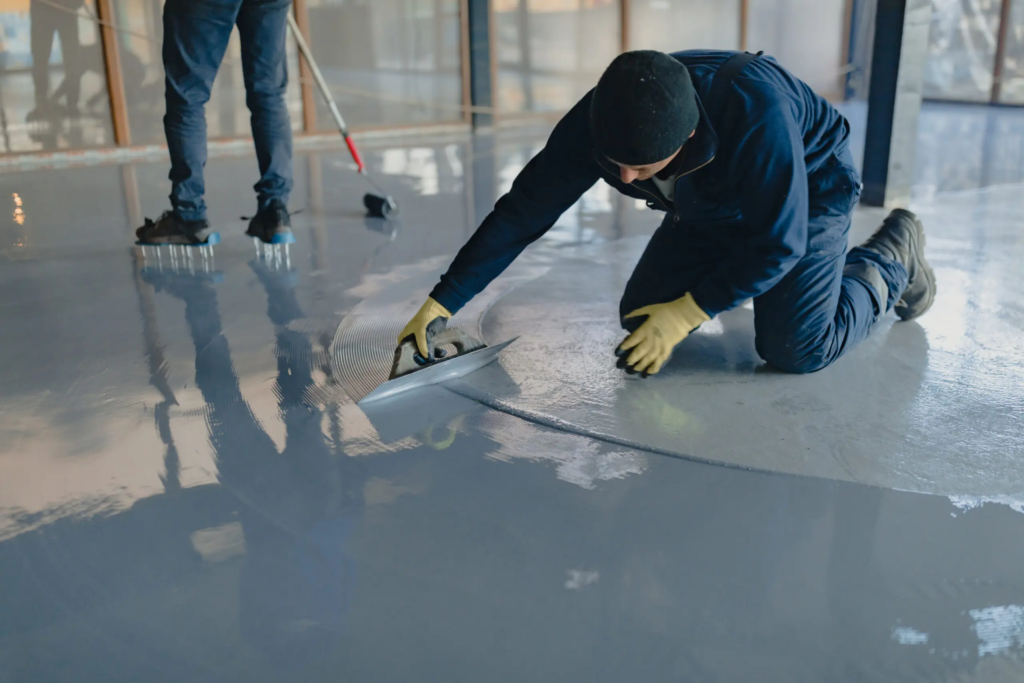
- Applying the polyurethane coating
- Allowing sufficient curing time
- Inspecting the completed surface
Application methods can vary depending on the product and project requirements. Following the manufacturer’s instructions is important to achieve proper adhesion, curing, thickness, and performance.
Factors to Consider Before Installation
Before choosing polyurethane floor coating, several factors should be considered. First, evaluate the condition of the existing floor. Cracks, moisture problems, and structural damage should be addressed before coating installation.
Traffic is another important consideration. A warehouse with forklifts requires a different flooring specification than a residential garage. Chemical exposure, temperature changes, sunlight, cleaning methods, and slip-resistance requirements should also be evaluated.
It is also important to choose a qualified installer. Poor surface preparation or incorrect application can reduce the performance and lifespan of even a high-quality coating.
Maintenance of Polyurethane Flooring
One of the advantages of polyurethane flooring is that maintenance is relatively straightforward. Regular sweeping or dust removal helps prevent abrasive particles from scratching the surface. Spills should be cleaned promptly, especially when dealing with chemicals or substances that could damage the coating.
Use cleaning products recommended for the specific coating system. Avoid harsh cleaning methods or chemicals unless they are confirmed to be compatible with the flooring. Periodic inspections can also help identify small areas of damage before they become larger problems.
Cost of Polyurethane Floor Coating
The cost of polyurethane floor coating varies depending on several factors. These include the size of the area, condition of the existing floor, required surface preparation, coating thickness, product quality, number of layers, and labor costs.
Although the initial cost may be higher than ordinary floor paint, polyurethane can offer better long-term value because of its durability and resistance to wear. Investing in a quality flooring system can reduce the need for frequent repairs and recoating.
Choosing the Right Polyurethane Floor Coating
Selecting the right product requires an understanding of the environment where it will be installed. Consider expected traffic, chemical exposure, moisture levels, temperature, appearance, and maintenance requirements.
It is also important to purchase products from reputable manufacturers or reliable suppliers. Professional advice can help ensure that the selected system is compatible with the existing substrate and suitable for the intended application.
Conclusion
Polyurethane floor coating is a durable and versatile flooring solution for a wide range of applications. Its resistance to abrasion, chemicals, moisture, and everyday wear makes it suitable for demanding commercial and industrial environments as well as selected residential applications.
With proper surface preparation, professional installation, and regular maintenance, polyurethane flooring can provide a long-lasting and attractive protective surface. For anyone looking to improve the performance, appearance, and longevity of a concrete floor, polyurethane floor coating can be an effective option worth considering.