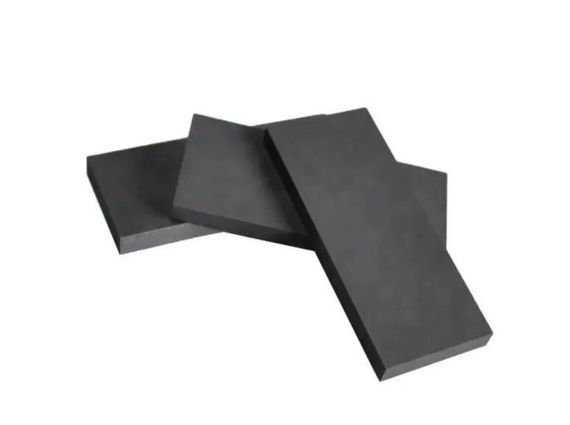

Graphite plates are widely used in modern industries because of their excellent thermal, electrical, and mechanical properties. These plates are made from high-quality graphite materials and can perform well in demanding environments. From electronics and metallurgy to chemical processing and energy systems, graphite plates have become an important material for many applications.
One of the biggest advantages of graphite plates is their ability to handle high temperatures. They also offer good electrical conductivity, chemical resistance, and dimensional stability. Different industries use graphite plates in different shapes, sizes, and grades based on their technical requirements.
This article explains the properties, applications, benefits, manufacturing process, and selection factors of graphite plates.
What Are Graphite Plates?
Graphite plates are flat components manufactured from natural graphite, synthetic graphite, or other graphite-based materials. They are available in different thicknesses, widths, lengths, and densities. Depending on the application, manufacturers can also machine graphite plates into custom shapes.
Graphite has a layered carbon structure. This structure gives the material several useful properties, including heat resistance and electrical conductivity. Unlike many metals, graphite can maintain its performance in extremely high-temperature environments when used under suitable conditions.
Graphite plates are commonly used as heat-resistant components, electrical parts, molds, electrodes, furnace materials, and chemical processing components. The exact grade of graphite depends on the required strength, purity, density, and operating conditions.
Key Properties of Graphite Plates
The popularity of graphite plates comes from their unique combination of physical and chemical properties. These properties make graphite suitable for applications where ordinary materials may fail.
Some important properties include:
- High thermal conductivity
- Good electrical conductivity
- Excellent heat resistance
- Low coefficient of thermal expansion
- Strong chemical resistance
- Good machinability
- Low friction properties
- High dimensional stability
- Lightweight compared with many metals
- Availability in different grades and densities
These features allow graphite plates to work effectively in industries that require reliable materials under extreme operating conditions.
Excellent High-Temperature Resistance
One major benefit of graphite plates is their ability to withstand extremely high temperatures. This makes them useful in furnaces, casting operations, heat treatment equipment, and other thermal applications.
Many traditional materials can soften, deform, or lose strength when exposed to high temperatures. Graphite, however, can maintain its structural properties under suitable operating conditions. The material is especially useful in controlled or oxygen-free environments.
Because of this property, graphite plates are often selected for thermal insulation systems, heating components, furnace fixtures, and high-temperature processing equipment.
Thermal Conductivity and Heat Management
Graphite plates are also valued for their ability to transfer and manage heat. Efficient heat movement is important in many industrial and electronic applications.
For example, electronic devices can generate significant amounts of heat during operation. If this heat is not properly controlled, it can reduce performance and damage sensitive components. Graphite materials can help distribute heat more effectively.
Graphite plates may be used in thermal management systems where manufacturers need a lightweight and reliable material. Their thermal characteristics make them useful in equipment designed for heat transfer and temperature control.
Electrical Conductivity of Graphite Plates
Another important feature of graphite plates is electrical conductivity. While graphite is not a metal, it can conduct electricity effectively because of its carbon structure.
This property makes graphite suitable for electrical and electrochemical applications. Graphite plates may be used as electrodes, conductive components, and other parts that require stable electrical performance.
The electrical properties can vary depending on the graphite grade, density, purity, and manufacturing method. Therefore, businesses should select graphite plates based on the technical requirements of the intended application.
Common Applications of Graphite Plates
Graphite plates are used across many industries. Their versatility allows manufacturers to create components for simple and highly specialized applications.
Common uses include:
- Furnace components
- Electrodes
- Semiconductor manufacturing
- Metallurgical processing
- Chemical processing equipment
- Battery and energy systems
- Heat management applications
- Casting and molding operations
- Mechanical seals and industrial parts
- Laboratory equipment
Custom graphite plates can also be manufactured for specialized machinery where standard materials are unsuitable.
Graphite Plates in Metallurgy and Casting
The metallurgy industry depends heavily on materials that can handle extreme temperatures. Graphite plates are often used in equipment related to melting, casting, and metal processing.
Graphite has low wettability with certain molten metals, making it useful for selected casting applications. It can also be machined into specific forms, allowing manufacturers to create custom components.
In metalworking operations, graphite plates may be used as furnace parts, support materials, heat-resistant fixtures, and components for specialized production systems. Their ability to maintain dimensional stability helps improve consistency during industrial processes.
Chemical Resistance and Industrial Durability
Chemical environments can damage many metals and other materials. Corrosion may reduce equipment life and increase maintenance costs. Graphite plates offer good resistance to many chemicals, making them useful in demanding industrial environments.
However, chemical compatibility depends on the specific graphite grade and the substances involved. Temperature, pressure, concentration, and exposure time can also affect performance.
For this reason, companies should carefully evaluate the operating environment before selecting graphite plates. Working with an experienced manufacturer can help ensure that the correct material grade is chosen for the application.
Custom Machining of Graphite Plates
One of the major advantages of graphite is its machinability. Graphite plates can be cut, drilled, milled, and shaped into customized components.
Manufacturers can produce:
- Flat graphite sheets
- Precision-machined plates
- Grooved plates
- Slotted components
- Graphite fixtures
- Custom industrial parts
- Specialized electrode components
Precision machining allows businesses to receive graphite plates that match exact technical drawings and equipment requirements. This can reduce installation problems and improve the overall performance of the finished system.
How to Choose the Right Graphite Plates
Selecting the right graphite plates requires more than simply choosing a size. Several technical factors should be considered before placing an order.
Important factors include:
- Operating temperature
- Required dimensions
- Material density
- Graphite purity
- Mechanical strength
- Electrical conductivity
- Thermal conductivity
- Chemical exposure
- Surface finish
- Machining requirements
The wrong graphite grade may not provide the expected performance. For example, a high-purity application may require a different material than a furnace component or industrial electrode.
Providing detailed specifications to the supplier can help ensure better results.
Benefits of Using Graphite Plates
Graphite plates offer several benefits compared with conventional materials. Their unique characteristics make them suitable for industries that require reliable and long-lasting components.
The main benefits include excellent thermal performance, good electrical conductivity, chemical resistance, and easy machining. They can also be manufactured in customized sizes and shapes.
Another advantage is their dimensional stability. In applications involving temperature changes, material expansion can create serious problems. The relatively low thermal expansion of graphite helps reduce this risk in many operating environments.
These benefits can help businesses improve efficiency, reduce material failure, and achieve more reliable production processes.
Maintenance and Handling Considerations
Although graphite plates are highly useful, proper handling is important. Graphite can be relatively brittle compared with many metals, so improper impact or installation may cause damage.
During storage and transportation, graphite components should be protected from unnecessary shocks. Proper machining tools and dust-control procedures should also be used when cutting or processing graphite materials.
Regular inspection can help identify cracks, wear, or surface damage before a component fails. Following the manufacturer’s recommendations can also extend the service life of graphite plates.
The Future of Graphite Plates
The demand for advanced materials continues to grow as industries develop new technologies. Graphite plates are expected to remain important in areas such as energy storage, electronics, high-temperature manufacturing, and advanced industrial equipment.
As manufacturing technology improves, companies can produce graphite components with greater precision and consistency. Custom machining and specialized graphite grades will also support more advanced applications.
The growing focus on energy efficiency and high-performance materials may further increase the importance of graphite-based products in the future.
Frequently Asked Questions About Graphite Plates
What are graphite plates used for?
Graphite plates are used in industries such as metallurgy, electronics, chemical processing, energy, and high-temperature manufacturing. Common applications include electrodes, furnace components, molds, heat-management systems, and custom-machined industrial parts.
Can graphite plates handle high temperatures?
Yes, graphite plates are known for their excellent high-temperature resistance. Their actual performance depends on the operating environment, graphite grade, and exposure conditions.
Are graphite plates electrically conductive?
Yes. Graphite can conduct electricity, which makes graphite plates useful for electrodes and other electrical or electrochemical applications.
Can graphite plates be customized?
Yes. Manufacturers can machine graphite plates into custom sizes, shapes, grooves, holes, and other designs based on technical drawings and application requirements.
How do I choose the correct graphite plate?
Consider factors such as temperature, dimensions, density, purity, strength, conductivity, and chemical exposure. A detailed discussion with a qualified supplier can help identify the right grade.
Are graphite plates durable?
Graphite plates can provide long service life when the correct material is selected and properly handled. Their durability depends on the application, operating conditions, and maintenance practices.
Conclusion
Graphite plates are versatile industrial materials with excellent thermal, electrical, and chemical properties. Their ability to perform in demanding environments makes them valuable for metallurgy, electronics, energy systems, chemical processing, and many other industries.
When selecting graphite plates, it is important to consider the operating temperature, material grade, density, purity, dimensions, and application requirements. Custom machining can also provide components designed specifically for specialized equipment.
By choosing high-quality graphite plates from a reliable supplier, businesses can improve performance, reduce maintenance requirements, and support efficient long-term industrial operations.