
An elevator manufacturer plays an important role in modern buildings. Elevators help people and goods move safely between floors. They are now common in homes, offices, hotels, hospitals, shopping centers, and factories. A trusted manufacturer does more than build an elevator. It creates a complete transportation system designed for safety, comfort, speed, and long-term performance.
Choosing the right elevator manufacturer is an important decision for any construction project. The manufacturer should offer reliable products, modern technology, strong safety features, and dependable service. A good company also understands the needs of different buildings and can recommend the right elevator solution.
What Is an Elevator Manufacturer?
An elevator manufacturer is a company that designs, produces, and supplies elevator systems. Some manufacturers also provide installation, testing, maintenance, modernization, and repair services. Their products can include passenger elevators, freight elevators, hospital elevators, home elevators, and high-speed systems.
The manufacturing process involves many parts. These may include the elevator car, doors, control system, motor, cables, rails, safety equipment, and electrical components. Each part must work together correctly. Quality manufacturing helps ensure smooth and safe elevator operation.
Why Choosing the Right Manufacturer Matters
The quality of an elevator can affect the safety and experience of everyone who uses it. A reliable manufacturer focuses on strong materials, careful engineering, and proper testing. This can reduce breakdowns and help extend the life of the elevator.
A professional manufacturer can also help customers select an elevator based on building size, traffic levels, available space, and budget. This makes the buying process easier and helps prevent costly mistakes.
Types of Elevators Manufactured Today
Modern manufacturers produce many types of elevators for different applications. Passenger elevators are designed for offices, apartments, hotels, and public buildings. They focus on comfort, speed, and efficient operation.
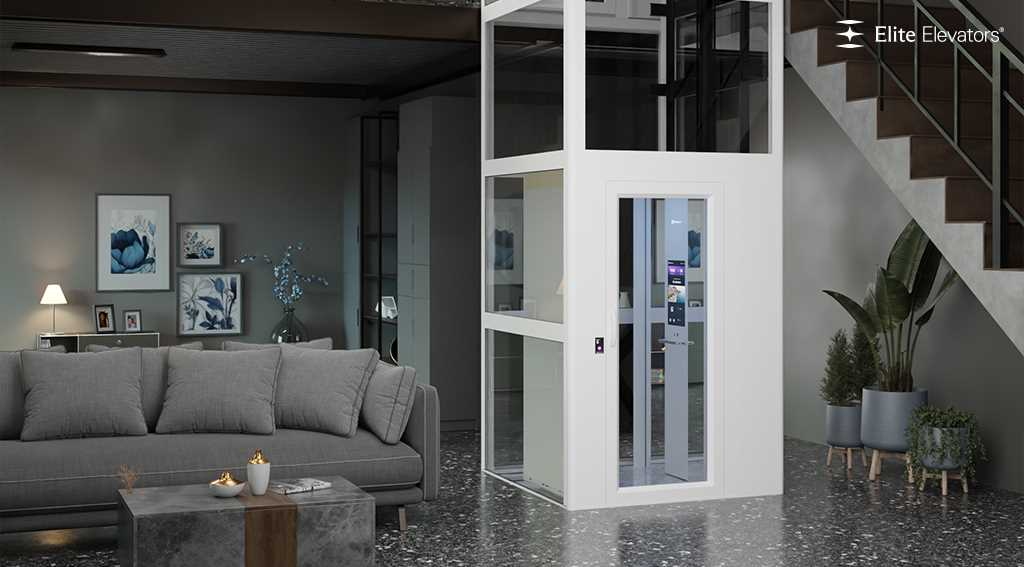
Freight elevators are built to carry heavy loads. They are often used in warehouses, factories, stores, and industrial buildings. Home elevators are smaller systems designed for private residences.
Hospital elevators are designed for medical environments. They may provide extra space for beds, medical equipment, and healthcare workers. High-speed elevators are commonly used in tall buildings where fast transportation between floors is important.
Key Features of a Modern Elevator
Today’s elevators include many advanced features. Automatic doors make entry and exit easier. Digital displays can show floor information and elevator status. Emergency communication systems allow passengers to request assistance when needed.
Energy-efficient motors and lighting can also help reduce electricity use. Smart control systems can manage elevator traffic and reduce waiting times. Some modern systems use connected technology to monitor performance and identify possible problems before a major failure occurs.
Elevator Safety Standards
Safety should always be a top priority when selecting an elevator manufacturer. Elevators must be designed and installed according to applicable safety standards and building regulations.
Important safety systems can include emergency brakes, door sensors, overload protection, emergency lighting, alarms, and backup systems. Manufacturers should test their equipment carefully before it is delivered and installed.
Building owners should also work with qualified professionals for regular inspections and maintenance. Proper maintenance helps keep safety systems working correctly.
Energy Efficiency in Elevator Systems
Energy efficiency is becoming more important in modern construction. A well-designed elevator can help reduce energy consumption while maintaining good performance.
LED lighting, efficient motors, regenerative systems, and smart controls can improve energy performance. Manufacturers are also developing systems that enter low-power modes when they are not being used.
Choosing an efficient elevator can reduce operating costs over time. It can also support a building’s wider sustainability goals.
Technology Used by Elevator Manufacturers
Technology has changed the elevator industry. Modern elevators can use advanced sensors, computerized controllers, and remote monitoring systems.
Connected elevators can send performance information to maintenance teams. This can help technicians understand the condition of important components. Predictive maintenance may also reduce unexpected downtime by identifying potential issues early.
Touchless controls, destination dispatch systems, and mobile access are other technologies being used in modern buildings.
How to Select an Elevator Manufacturer
There are several factors to consider when choosing an elevator manufacturer. First, look at the company’s experience and reputation. A manufacturer with a strong history may provide greater confidence in product quality and support.
Next, review the available elevator models. The company should offer solutions that match the building’s requirements. It is also important to understand installation, maintenance, warranty, and replacement-part services.
Customers should compare the total cost of ownership instead of looking only at the initial purchase price. A cheaper elevator may become expensive if it requires frequent repairs.
Installation and Maintenance Services
A good elevator manufacturer may provide complete installation support. Professional installation is important because even a high-quality elevator can perform poorly if it is installed incorrectly.
Maintenance is equally important. Regular inspections can help identify worn components, unusual sounds, door problems, and other issues. Preventive maintenance can improve reliability and reduce unexpected downtime.
Building owners should ask about service response times and the availability of replacement parts before choosing a manufacturer.
Custom Elevator Solutions
Every building has different requirements. For this reason, many manufacturers provide customized elevator systems.
A custom solution can consider cabin size, capacity, travel distance, building design, door configuration, interior materials, and control features. Architects and builders can work with manufacturers during the planning stage to create an elevator that fits the project.
Customization is especially useful for luxury hotels, large commercial buildings, hospitals, and unique architectural projects.
Benefits of Working With an Experienced Manufacturer
Working with an experienced elevator manufacturer can provide several benefits. Customers may receive better technical guidance, stronger product support, and access to modern elevator technology.
Experienced companies are often familiar with different building types and project requirements. They can help identify suitable equipment and explain installation and maintenance needs.
Long-term support is also important. Elevators can operate for many years, so customers need a manufacturer that can provide parts, servicing, and modernization solutions throughout the system’s life.
The Future of Elevator Manufacturing
The elevator industry continues to develop as buildings become smarter and more energy efficient. Future elevator systems are likely to use more connected technology, automation, artificial intelligence, and advanced monitoring.
Smart elevators may improve traffic management and reduce waiting times. Energy-saving systems can help buildings lower operating costs. New materials and engineering methods may also create lighter and more efficient elevator designs.
As urban populations grow, elevators will remain an important part of modern transportation inside buildings.
Cost of an Elevator System
Elevator costs can vary widely depending on the type and size of the system. Factors include building height, capacity, speed, technology, installation requirements, customization, and maintenance needs.
The initial price should not be the only consideration. Buyers should also consider energy consumption, service costs, replacement parts, expected lifespan, and future modernization.
A reliable system with reasonable operating costs can offer better value over many years.
Conclusion
Selecting the right elevator manufacturer is an important step in any construction or modernization project. A reliable manufacturer can provide safe, efficient, comfortable, and durable elevator systems.
From passenger and freight elevators to smart and energy-efficient solutions, modern manufacturers offer options for many different buildings. Buyers should consider product quality, safety, technology, installation, maintenance, warranty, and long-term support before making a decision.
The right elevator is more than a machine that moves between floors. It is an important part of a building’s safety, accessibility, efficiency, and everyday experience. Working with a trusted elevator manufacturer can help ensure dependable performance for many years.