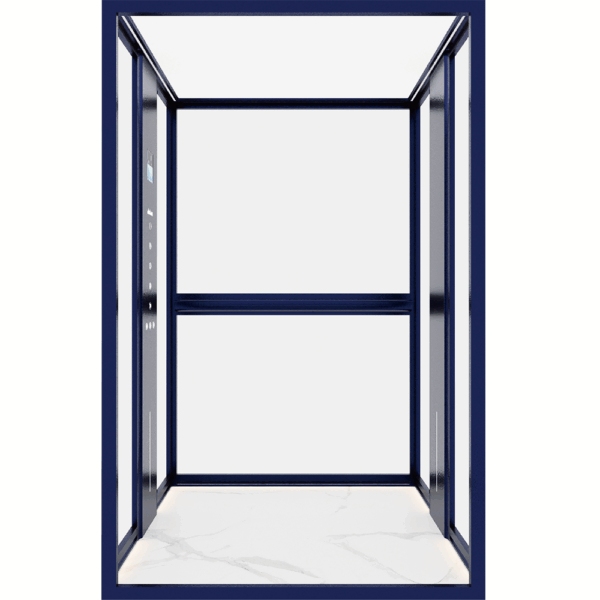
Glass elevators have become a popular feature in modern architecture. They combine vertical transportation with attractive design and open views. Shopping centers, hotels, office buildings, residential developments, museums, and luxury properties often use glass elevators to create a memorable experience.
Choosing the right glass elevators manufacturer is an important step for any building project. A professional manufacturer can provide suitable designs, quality components, customization options, and technical support. The right elevator solution should balance appearance, performance, safety, accessibility, and long-term maintenance.
What Is a Glass Elevator?
A glass elevator is an elevator system designed with transparent or partially transparent panels. These panels may be used for the elevator cabin, doors, shaft enclosure, or surrounding structure.
Unlike traditional enclosed elevators, glass designs can provide passengers with views of the surrounding building or outdoor environment. This makes them particularly useful for architectural projects where visual design is an important consideration.
Glass elevators can be designed for indoor or outdoor applications, depending on the building structure and project requirements.
Why Choose a Glass Elevator?
Glass elevators offer several advantages for modern buildings. Their transparent appearance can make an elevator feel more spacious and open.
They can also become an architectural feature rather than simply a transportation system. A well-designed glass elevator can complement the building’s interior or exterior design.
For shopping malls, hotels, and commercial properties, a visually attractive elevator can create a stronger first impression. In buildings with scenic surroundings, glass elevators can also allow passengers to enjoy views during their journey.
Role of a Glass Elevators Manufacturer
A professional glass elevators manufacturer plays an important role in developing an elevator solution that fits the project.
Manufacturers may handle design, engineering, component selection, production, testing, and technical support. Some companies also provide customized solutions based on building dimensions and architectural requirements.
Working with an experienced manufacturer can help project owners understand available configurations and select components that meet the project’s needs.
The manufacturer should also coordinate technical details with architects, engineers, contractors, and elevator installation professionals.
Types of Glass Elevators
Glass elevators are available in different configurations. The best option depends on the building design and intended application.
Panoramic Glass Elevators
Panoramic elevators use large transparent panels to provide broad views. They are often used in hotels, shopping centers, museums, and commercial buildings.
Glass Shaft Elevators
These elevators may have a transparent shaft enclosure surrounding the elevator cabin. This design can create a strong architectural effect.
Indoor Glass Elevators
Indoor glass elevators are commonly installed in atriums, malls, offices, and public buildings. They can help create visual connections between different floors.
Outdoor Glass Elevators
Outdoor glass elevators can provide views of surrounding landscapes and building exteriors. They require careful planning for weather exposure, structural support, drainage, and protection.
Glass Materials Used in Elevator Design
Glass selection is an important part of elevator design. The material should be suitable for its intended application and meet relevant safety requirements.
Manufacturers may use specially designed safety glass or laminated glass systems depending on the project. The exact material depends on the location, structural requirements, elevator design, and applicable regulations.
Glass should be selected with both appearance and performance in mind. Transparency, durability, maintenance requirements, and resistance to environmental conditions can all influence material selection.
Importance of Elevator Safety
Safety is the most important consideration when selecting a glass elevator. Attractive design should never compromise the safe operation of the elevator.
A professional manufacturer should design the elevator according to applicable safety requirements. The system may include appropriate door locking systems, braking equipment, emergency communication, sensors, controls, and other safety features.
Glass components must also be suitable for their intended use. Qualified professionals should handle installation, inspection, testing, and maintenance.
Customization Options
One major advantage of working with an experienced glass elevators manufacturer is the ability to customize the elevator.
Customization may involve cabin dimensions, glass configuration, door style, lighting, flooring, handrails, ceiling design, control panels, and finishes.
Architects may also request specific shapes or structural arrangements to match a building’s design.
Customized lighting can create a dramatic effect, especially in hotels, shopping centers, and luxury developments.
Energy Efficiency and Modern Technology
Modern elevator systems can incorporate energy-efficient technologies. Depending on the elevator design, manufacturers may offer efficient motors, LED lighting, intelligent controls, and regenerative systems.
Energy efficiency can help reduce operating costs over the long term. However, the appropriate technology depends on the building, elevator usage, travel height, capacity, and local requirements.
Modern control systems can also help improve ride performance and manage elevator operation more efficiently.
Design Considerations for Glass Elevators
Glass elevators require careful planning. Architects and engineers should consider the building structure, elevator shaft dimensions, traffic requirements, passenger capacity, and installation location.
For outdoor applications, weather conditions are particularly important. Wind, temperature changes, moisture, and sunlight can influence material and equipment choices.
Interior glass elevators require careful coordination with surrounding walls, floors, ceilings, lighting, and other architectural elements.
A good design balances aesthetics with practical performance.
Benefits of Working With an Experienced Manufacturer
Selecting an experienced manufacturer can provide several benefits.
First, experienced manufacturers understand the technical requirements of elevator projects. They can help customers select suitable configurations and components.
Second, they may provide customization options. This can be useful when a standard elevator design does not match a project’s architectural concept.
Third, experienced manufacturers can provide technical documentation and support throughout the project.
Finally, a reliable manufacturer can help ensure that the elevator solution is designed with long-term maintenance in mind.
How to Choose a Glass Elevators Manufacturer
Choosing a manufacturer requires careful research. Customers should consider experience, product quality, customization capabilities, technical support, and after-sales service.
It is useful to review previous projects and product specifications. Customers should also ask about installation requirements, maintenance support, warranties, replacement parts, and service availability.
Safety certifications and compliance with applicable local requirements should also be considered.
Price is important, but the lowest initial cost may not always represent the best long-term value. A reliable elevator solution should provide durability, safety, performance, and reasonable maintenance requirements.
Maintenance of Glass Elevators
Regular maintenance is essential for all elevator systems, including glass elevators. Qualified technicians should inspect mechanical, electrical, control, and safety components according to the required maintenance schedule.
Glass surfaces should also be cleaned regularly. Proper cleaning products and methods can help maintain transparency and appearance.
Door systems, lighting, controls, handrails, and other visible accessories should also be checked for damage or wear.
Preventive maintenance can help identify potential issues before they become larger problems.
Glass Elevators for Commercial Buildings
Commercial buildings can benefit greatly from glass elevator installations. Shopping malls, hotels, office towers, and entertainment venues can use glass elevators as part of their architectural identity.
A panoramic elevator can help visitors navigate a building while providing an attractive visual experience.
In luxury properties, customized glass elevators can also complement premium interior designs.
Future of Glass Elevator Design
The elevator industry continues to evolve with advances in automation, smart controls, energy efficiency, and connected technologies.
Future glass elevators may incorporate more advanced monitoring systems, intelligent controls, efficient components, and customized passenger features.
Manufacturers that continue investing in modern engineering and design can provide solutions for increasingly sophisticated architectural projects.
Conclusion
Choosing the right glass elevators manufacturer is an important decision for any modern building project. Glass elevators can combine transportation, architecture, comfort, and visual appeal in a single system.
A professional manufacturer can help with design, customization, component selection, safety requirements, and technical support. From panoramic indoor elevators to outdoor glass installations, different solutions are available for different building requirements.
When selecting a manufacturer, customers should focus on quality, safety, experience, customization, energy efficiency, maintenance, and after-sales support. With proper planning and professional installation, a glass elevator can become a practical and impressive feature that adds lasting value to a building.