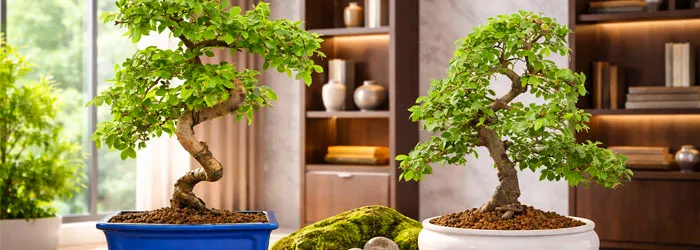

Bonsai trees have become popular among gardeners, collectors, interior designers, and plant lovers around the world. Their small size, artistic appearance, and natural beauty make them unique. For plant shops, garden centers, nurseries, and online sellers, buying through bonsai wholesale suppliers can be a smart business decision. Wholesale purchasing allows businesses to access a larger number of bonsai trees at competitive prices.
Whether you are starting a plant business or expanding an existing nursery, understanding the wholesale bonsai market is important. Different bonsai species, sizes, styles, and care requirements can affect your purchasing decisions. A reliable bonsai wholesale supplier can help you maintain inventory, offer more choices to customers, and improve your profit potential.
What Is Bonsai Wholesale?
Bonsai wholesale refers to purchasing bonsai trees and related products in larger quantities, usually at lower per-unit prices. Wholesale suppliers may sell directly to nurseries, garden centers, landscaping companies, gift shops, online stores, and other businesses. Instead of purchasing one or two trees at retail prices, buyers can order multiple plants from a supplier.
Wholesale bonsai can include young starter trees, trained bonsai, mature specimens, indoor varieties, outdoor varieties, and specialty plants. Some suppliers also provide pots, soil, fertilizers, pruning tools, and other accessories. This gives businesses an opportunity to create a complete bonsai product collection for their customers.
Why Businesses Choose Bonsai Wholesale
One of the biggest reasons businesses choose bonsai wholesale is cost savings. Buying in larger quantities can reduce the price per tree. This allows retailers to add their own profit margin when selling to customers.
Wholesale buying also makes inventory planning easier. A nursery can order different species and sizes at the same time instead of searching for individual plants from multiple sellers. A good supplier may also provide regular availability throughout the year.
For businesses that want to grow, wholesale purchasing can create a stable supply chain. Consistent inventory is especially important for online stores and physical shops that want to maintain customer trust.
Popular Types of Bonsai Trees
There are many types of bonsai trees available in the market. Each species has its own appearance and care requirements. Some popular options include ficus, juniper, Chinese elm, jade, maple, pine, and azalea bonsai.
Ficus bonsai are often popular because they can adapt well to indoor conditions. Juniper bonsai are commonly used for outdoor displays and traditional bonsai designs. Chinese elm trees can offer attractive leaves and interesting trunk structures.
When selecting plants through a bonsai wholesale supplier, it is useful to choose several different varieties. Offering multiple species can help attract beginners, experienced collectors, and customers with different growing environments.
How to Choose a Reliable Bonsai Wholesale Supplier
Choosing the right supplier is one of the most important parts of building a successful bonsai business. A reliable supplier should provide healthy plants, accurate product information, and dependable communication.
Before placing a large order, ask about minimum order requirements, plant sizes, shipping methods, and availability. It can also be helpful to start with a smaller order to evaluate the quality of the trees.
Look for a bonsai wholesale supplier that understands plant handling and packaging. Bonsai trees can be damaged during transportation if they are not packed correctly. Healthy roots, strong branches, and proper moisture levels are important factors to consider.
Benefits of Buying Bonsai Trees in Bulk
Buying bonsai in bulk can provide several advantages for retailers. The first benefit is lower purchasing costs. Businesses may receive better pricing when ordering larger quantities.
Another benefit is product variety. Wholesale suppliers may allow buyers to select different species, sizes, and styles within one order. This can help a business create a more attractive product collection.
Bulk purchasing can also reduce the time spent searching for inventory. Instead of placing many small orders, a business can work with one or several trusted suppliers. This can make inventory management easier and more organized.
Understanding Bonsai Sizes and Styles
Bonsai trees are available in many different sizes. Small bonsai are often easier to display and may appeal to beginners or customers with limited space. Larger and older bonsai can become premium products because of their age, shape, and artistic development.
Different bonsai styles can also affect customer interest. Some trees have upright forms, while others may have slanting trunks, cascading branches, or informal natural shapes.
When purchasing through bonsai wholesale, consider offering a mix of entry-level and premium options. Affordable plants can attract new customers, while higher-value bonsai can appeal to collectors and experienced enthusiasts.
Important Quality Checks Before Purchasing
Quality should always be a priority when buying living plants. Before accepting a wholesale shipment, inspect the trees carefully. Look for healthy leaves, strong branches, stable trunks, and signs of good root development.
Avoid plants with serious pest damage, disease symptoms, or excessive dryness. The soil should also be suitable for the plant’s needs and should not remain overly wet for long periods.
Ask suppliers about the age and care history of the trees when possible. Clear information can help you describe the products accurately to your customers and provide better care after delivery.
How to Store and Care for Wholesale Bonsai
After receiving a shipment, proper care is necessary to protect your investment. Newly delivered bonsai may experience stress during transportation. Give the plants time to adjust to their new environment.
Check the moisture level of the soil and provide suitable light based on the tree species. Indoor and outdoor bonsai have different requirements, so plants should be grouped carefully.
Employees should understand basic bonsai care, including watering, pruning, sunlight, and seasonal protection. Healthy and well-maintained inventory will create a better impression for customers and can reduce plant losses.
Selling Bonsai Trees to Retail Customers
Selling bonsai successfully requires more than simply placing trees on a shelf. Customers often need guidance because bonsai care can seem difficult to beginners.
Provide clear care labels with information about watering, sunlight, and general maintenance. You can also sell related products such as bonsai pots, soil, fertilizers, humidity trays, and pruning tools.
Businesses that purchase through bonsai wholesale can create beginner packages. For example, a small bonsai tree can be sold with basic soil, a care guide, and simple tools. These bundles can make the buying process easier for new customers.
Pricing Strategies for Bonsai Businesses
Pricing depends on several factors, including the purchase cost, shipping expenses, plant size, species, age, quality, and rarity. Businesses should calculate all costs before setting a retail price.
Avoid setting prices based only on competitors. Consider the value you provide through healthy plants, attractive presentation, customer support, and care information.
A good pricing strategy may include different product levels. Small beginner bonsai can be offered at affordable prices, while mature or specially trained trees can be positioned as premium products.
Common Mistakes When Buying Wholesale Bonsai
One common mistake is purchasing only based on the lowest price. Cheap plants may have poor health or may suffer damage during shipping. Quality should always be considered alongside cost.
Another mistake is ordering too many plants without having enough space or staff to care for them. Bonsai are living products and require regular attention.
Businesses should also avoid buying only one type of tree. A wider selection can help attract more customers. Planning carefully before placing a large bonsai wholesale order can reduce waste and improve inventory management.
Growing Your Business with Bonsai Wholesale
The bonsai market can offer opportunities for nurseries, garden stores, gift businesses, and online retailers. A strong product selection and good customer education can help create repeat sales.
Consider using social media, plant care articles, videos, and workshops to attract potential customers. Educational content can make beginners feel more confident about purchasing a bonsai tree.
Building a long-term relationship with a trusted bonsai wholesale supplier can also support business growth. Reliable inventory, consistent quality, and good communication can make it easier to plan future sales and seasonal promotions.
Frequently Asked Questions
What does bonsai wholesale mean?
Bonsai wholesale means purchasing bonsai trees in larger quantities, usually at a lower price per unit than retail purchasing.
Who can buy wholesale bonsai trees?
Nurseries, garden centers, online stores, gift shops, landscapers, and other plant-related businesses commonly purchase wholesale bonsai.
Which bonsai trees are best for beginners?
Popular beginner-friendly options may include ficus, Chinese elm, and jade, depending on the growing environment and local climate.
How should wholesale bonsai be stored?
Bonsai should be placed in suitable light and temperature conditions based on their species. Regular watering and health checks are also important.
Can bonsai wholesale help increase profits?
Yes. Lower per-unit purchasing costs can allow businesses to create reasonable retail margins while offering a variety of products.
What should I check before choosing a supplier?
Check plant quality, species availability, pricing, minimum order requirements, shipping practices, and customer support before making a large purchase.
Conclusion
Bonsai wholesale can be an excellent option for businesses that want to sell beautiful and unique plants. By purchasing in larger quantities, retailers can access better pricing, wider product selections, and more consistent inventory. However, choosing healthy plants and a dependable supplier is essential.
Successful bonsai selling also requires proper plant care, attractive presentation, and useful customer guidance. Businesses that understand their products can build trust and encourage repeat purchases. With careful planning, quality control, and the right bonsai wholesale strategy, a nursery or plant business can develop a strong and profitable bonsai product category.